
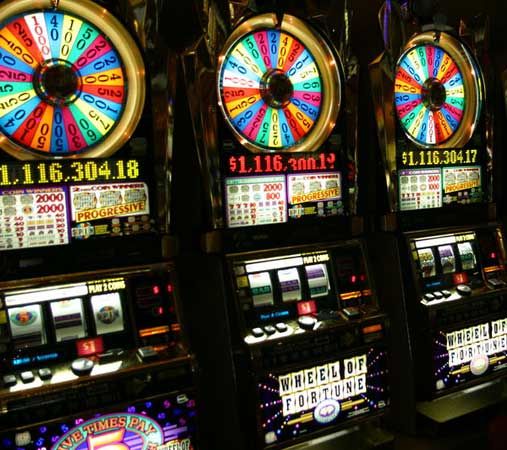
Exploring the Intriguing World of Gambling: A Comprehensive Analysis

The Impact of Gambling: A Comprehensive Overview
Gambling has been a popular form of entertainment for centuries, with people from all walks of life participating in various forms of wagering. While gambling can be a source of excitement and social interaction, it also carries significant implications that extend beyond simple leisure activity.
Positive Aspects of Gambling
For many individuals, gambling provides a thrilling experience that can offer moments of joy and excitement. It can serve as a form of escapism from the daily stresses of life and provide a sense of thrill and anticipation. Additionally, gambling establishments contribute to local economies by creating jobs and generating revenue through taxes.
Negative Impacts of Gambling
Despite its allure, gambling can have detrimental effects on individuals and society as a whole. Problem gambling can lead to financial difficulties, strained relationships, mental health issues, and even legal troubles. The addictive nature of gambling can result in compulsive behaviour that is hard to control.
Social and Economic Implications
The widespread availability of gambling opportunities has raised concerns about its impact on vulnerable populations, such as young people and those with pre-existing addiction issues. Communities may also face challenges related to increased crime rates, bankruptcy, and other social problems associated with excessive gambling.
Regulation and Responsible Gambling
To address these concerns, governments around the world have implemented regulations to monitor and control the gambling industry. Responsible gambling initiatives aim to promote awareness about the risks associated with excessive gambling and provide support for those affected by addiction.
Conclusion
In conclusion, while gambling can be an enjoyable pastime for many people, it is essential to recognise its potential negative impacts on individuals and society. By promoting responsible gambling practices and implementing effective regulations, we can strive to create a safer environment for all participants in the world of wagering.
Exploring the Benefits of Gambling: Entertainment, Social Interaction, and Economic Impact
- 1. Gambling can provide entertainment and excitement for participants.
- 2. It offers a chance to win money and prizes, adding an element of thrill.
- 3. Gambling can be a social activity, bringing people together in a fun environment.
- 4. Some individuals find gambling to be a relaxing form of escapism from daily stressors.
- 5. Casinos and betting establishments contribute to local economies by creating jobs and generating revenue.
- 6. Skilful gambling activities like poker can improve strategic thinking and decision-making skills.
- 7. Winning at gambling can boost confidence and self-esteem for some players.
- 8. Online gambling platforms provide convenient access to a wide range of games for players.
Seven Drawbacks of Gambling: Financial Risks, Addiction, and Social Consequences
- 1. Risk of financial loss
- 2. Potential for addiction and compulsive behaviour
- 3. Negative impact on personal relationships
- 4. Increased likelihood of mental health issues
- 5. Social stigma associated with gambling problems
- 6. Legal consequences for illegal gambling activities
- 7. Possibility of engaging in unethical or dishonest behaviours to fund gambling
1. Gambling can provide entertainment and excitement for participants.
Gambling can offer a source of entertainment and excitement for participants, providing a thrilling experience that adds an element of anticipation and joy to their leisure time. Whether it’s the thrill of placing a bet on a sporting event, the strategy involved in playing card games, or the chance to win big in a casino, gambling can create moments of exhilaration and social interaction. For many individuals, engaging in gambling activities serves as a form of escapism from the routine of daily life, offering an opportunity to experience fun and excitement in a unique and engaging way.
2. It offers a chance to win money and prizes, adding an element of thrill.
Gambling presents an enticing opportunity for individuals to potentially win money and prizes, injecting an element of thrill and excitement into the experience. The prospect of a significant financial reward adds a layer of anticipation and suspense to the activity, making it all the more engaging for participants. Whether it’s the thrill of hitting the jackpot in a casino game or correctly predicting the outcome of a sports event, the chance to win tangible rewards serves as a compelling incentive for many gamblers.
3. Gambling can be a social activity, bringing people together in a fun environment.
Gambling can be a social activity that brings people together in a fun and engaging environment. Whether it’s gathering around a poker table with friends or placing bets on a sports event at a casino, gambling provides an opportunity for social interaction and shared experiences. It allows individuals to bond over a common interest, share excitement and anticipation, and create lasting memories in the company of others. The communal aspect of gambling adds an extra dimension to the entertainment value, making it more than just a solitary pursuit but a way to connect with others and enjoy moments of camaraderie.
4. Some individuals find gambling to be a relaxing form of escapism from daily stressors.
For some individuals, gambling serves as a relaxing form of escapism from the daily stressors of life. Engaging in games of chance and skill can provide a temporary reprieve from the pressures and responsibilities that accompany everyday routines. The thrill and excitement of gambling can offer a sense of release and distraction, allowing individuals to unwind and recharge in an environment that is separate from their usual concerns.
5. Casinos and betting establishments contribute to local economies by creating jobs and generating revenue.
Casinos and betting establishments play a vital role in contributing to local economies by creating employment opportunities and generating significant revenue streams. These establishments employ a diverse range of staff, from dealers and croupiers to security personnel and administrative staff, thereby providing jobs for individuals within the community. Additionally, the revenue generated through taxes on gambling activities can contribute to public services, infrastructure development, and other essential aspects of the local economy. The presence of casinos and betting establishments can stimulate economic growth and support the financial well-being of the surrounding area.
6. Skilful gambling activities like poker can improve strategic thinking and decision-making skills.
Engaging in skilful gambling activities such as poker can have a positive impact on individuals by enhancing their strategic thinking and decision-making abilities. In games where skill plays a significant role, players are required to analyse situations, assess risks, and make calculated decisions based on probabilities and opponents’ behaviours. This process not only sharpens cognitive skills but also fosters critical thinking and adaptability, which can be beneficial in various aspects of life beyond the realm of gambling.
7. Winning at gambling can boost confidence and self-esteem for some players.
Winning at gambling can serve as a significant confidence booster and enhance self-esteem for certain players. The sense of accomplishment and validation that comes with a successful gambling experience can instil a feeling of competence and self-assurance in individuals. For some, the ability to make accurate predictions, exercise strategic thinking, and come out on top in a game of chance can translate into a positive self-perception and a belief in their capabilities. This boost in confidence can have ripple effects beyond the realm of gambling, influencing how individuals approach challenges and opportunities in other aspects of their lives.
8. Online gambling platforms provide convenient access to a wide range of games for players.
Online gambling platforms offer a convenient and accessible way for players to enjoy a diverse array of games without the need to visit physical casinos or betting establishments. With just a few clicks, players can access a wide range of games, from traditional casino classics to innovative new offerings, all from the comfort of their own homes or on the go. This level of convenience allows players to indulge in their favourite games at any time and from virtually anywhere, enhancing the overall gaming experience for enthusiasts around the world.
1. Risk of financial loss
One significant con of gambling is the inherent risk of financial loss that participants face. Engaging in betting activities, whether at a casino, online platform, or through sports wagering, carries the potential for individuals to lose money that they may not be able to afford. The allure of big wins often overshadows the reality that the odds are typically stacked against the player, leading to a situation where financial resources can be depleted rapidly. This risk of financial loss can have far-reaching consequences, impacting not only the individual’s economic stability but also their mental well-being and relationships with others. It is crucial for individuals to approach gambling with caution and set strict limits to mitigate the risk of experiencing significant financial setbacks.
2. Potential for addiction and compulsive behaviour
The potential for addiction and compulsive behaviour is a significant con of gambling. For some individuals, the thrill of wagering can lead to a dangerous cycle of compulsive gambling, where they struggle to control their impulses and continue to bet despite negative consequences. This addiction can have devastating effects on personal finances, relationships, and mental well-being, highlighting the importance of promoting responsible gambling practices and providing support for those at risk of developing gambling-related problems.
3. Negative impact on personal relationships
Gambling can have a significant negative impact on personal relationships, as it has the potential to strain bonds and create conflicts within families and social circles. Problem gambling can lead to financial instability, deceitful behaviour, and emotional distress, causing rifts between loved ones. The addictive nature of gambling may result in individuals prioritising their betting activities over spending quality time with family and friends, leading to feelings of neglect and resentment. Ultimately, the erosion of trust and communication within relationships can be a direct consequence of the damaging effects of excessive gambling.
4. Increased likelihood of mental health issues
Gambling can lead to an increased likelihood of mental health issues, posing a significant con to individuals who engage in excessive wagering activities. The stress and anxiety associated with financial losses, the addictive nature of gambling behaviour, and the social consequences of problem gambling can all contribute to the development or exacerbation of mental health conditions. Individuals may experience depression, anxiety disorders, substance abuse problems, and other psychological issues as a result of their involvement in gambling activities that spiral out of control. It is crucial to recognise and address the potential impact on mental well-being that excessive gambling can have on individuals and seek appropriate support when needed.
5. Social stigma associated with gambling problems
One significant con of gambling is the social stigma associated with gambling problems. Individuals who struggle with compulsive or problematic gambling behaviour often face judgement, shame, and isolation from their peers and society at large. The stigma attached to gambling problems can prevent individuals from seeking help and support, leading to further deterioration of their mental health and financial well-being. Overcoming the social stigma associated with gambling issues is crucial in promoting understanding, compassion, and effective treatment for those affected by problematic gambling behaviours.
6. Legal consequences for illegal gambling activities
Engaging in illegal gambling activities can have severe legal consequences that can significantly impact individuals involved. Those found participating in illicit gambling operations may face criminal charges, fines, and potential imprisonment. Law enforcement agencies actively monitor and investigate illegal gambling activities to uphold the law and protect the integrity of the gaming industry. Individuals caught in illegal gambling schemes not only risk personal repercussions but also contribute to undermining the regulatory framework designed to ensure fairness and transparency in legitimate gambling practices. It is crucial for individuals to understand and abide by the laws governing gambling to avoid facing detrimental legal consequences.
7. Possibility of engaging in unethical or dishonest behaviours to fund gambling
The possibility of engaging in unethical or dishonest behaviours to fund gambling is a concerning con associated with this activity. When individuals become consumed by their gambling habits, they may resort to deceitful or illicit means to obtain the funds needed to continue their wagering. This can lead to a downward spiral of dishonesty, jeopardising personal integrity and potentially causing harm to others in the process. It is crucial for individuals to be aware of this risk and seek help if they find themselves resorting to unethical behaviours to sustain their gambling habits.

